
How Customer Buying Behaviour Has Changed | Social Commerce Guide
Party Tent

How Customer Buying Behaviour Has Changed in the Social Commerce Era

Customers no longer begin their buying journey on websites


For years, businesses were taught that customers followed a predictable path: discover a brand, visit a website, compare options, then make a purchase. That model shaped how marketing strategies, websites, and sales funnels were built.

Today, that journey looks very different.

Modern customers often discover products through social media, recommendations, short-form content, and online communities long before they intentionally search for a business. The decision-making process begins passively, not actively. By the time someone reaches a website, much of the buying decision has already happened.

Understanding this shift is essential for businesses trying to improve conversions in a digital-first world.

Discovery now happens inside social platforms


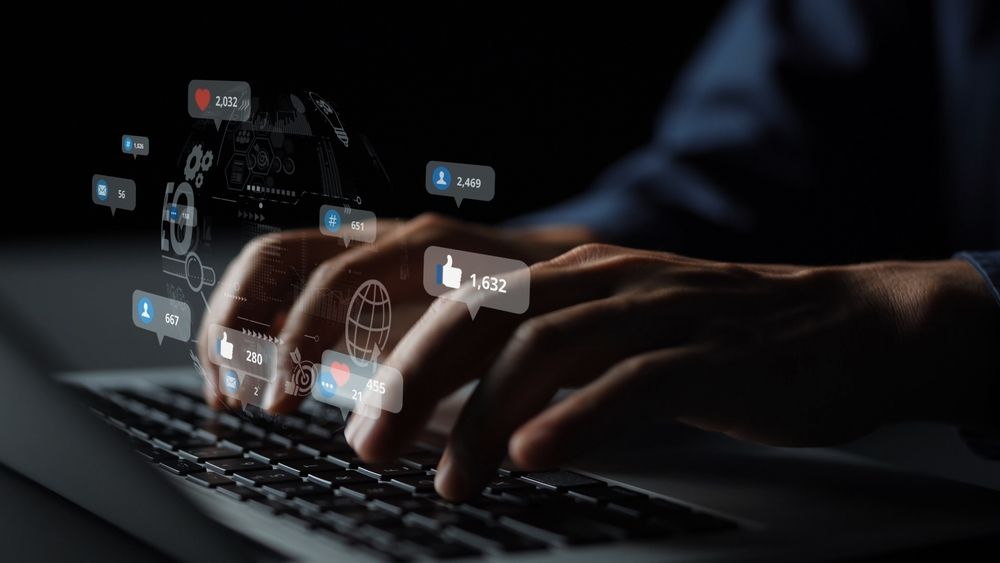
Social platforms have evolved from communication tools into discovery engines. Customers encounter brands while scrolling, watching, or interacting rather than actively researching.

Instead of searching for solutions first, people now encounter ideas, products, and services through:


  • social media feeds and recommendations

  • influencer and peer content

  • short educational videos

  • community discussions

  • algorithm-driven suggestions


This changes the role of marketing entirely. Businesses are no longer competing only for search visibility. They are competing for attention and trust during everyday digital behaviour.

The result is a buying journey that feels natural to the customer but unpredictable to businesses still relying on traditional funnels.

Trust forms before intent


One of the biggest changes in modern commerce is when trust develops.

Previously, trust was built during the research phase after a customer decided to buy. Today, trust often forms before purchase intent even exists. Customers observe brands repeatedly through content, commentary, and shared experiences.

This means customers may feel familiar with a business long before their first interaction.

Signals that now influence trust include:


  • consistent educational content

  • authentic brand presence

  • social proof and shared experiences

  • visible expertise rather than advertising claims


When customers finally decide they need a solution, they often choose brands they already recognise and trust rather than starting fresh research.

The buying journey has compressed


Another major shift is speed.

Modern customers can move from discovery to purchase within minutes. A piece of content sparks interest, trust already exists, and frictionless technology allows immediate action.

This compressed journey means businesses must be ready at the moment interest appears. Delays, complicated processes, or unclear messaging interrupt momentum and lead customers elsewhere.

In many cases, lost sales are not caused by lack of demand but by friction appearing at the wrong moment.

Why traditional funnels no longer tell the full story


The classic awareness, consideration, and decision funnel still exists conceptually, but it no longer happens in a straight line.

Customers now move between stages fluidly:


  • discovering casually

  • researching briefly

  • validating through social proof

  • purchasing quickly


They may repeat this process multiple times across different platforms before ever visiting a company website.

Businesses that rely solely on structured funnels often struggle because they optimise for stages customers no longer experience sequentially.

What this means for modern businesses


The shift in buying behaviour does not mean fundamentals have disappeared. Instead, the priorities have changed.

Successful businesses now focus on:


  • educating before selling

  • building trust through insight

  • reducing friction between interest and action

  • meeting customers where discovery happens

  • making purchasing simple once intent appears


Companies that understand how customers actually behave online are better positioned to convert attention into measurable growth.

Understanding the new commerce landscape


Modern commerce is shaped by behaviour, not platforms alone. Technology enables faster decisions, but psychology drives them.

Businesses that recognise how discovery, trust, and action now overlap gain a significant advantage. Rather than forcing customers through outdated journeys, they align with how people naturally explore and decide today.

Want the complete framework?


This article introduces just one part of the shift explored in Closing Sales in a Click, a practical playbook explaining how modern businesses turn engagement into real revenue.

Download your free copy and explore the full approach to social commerce, customer psychology, and frictionless buying journeys.